Recognizing Spinal Decompression: A Comprehensive Overview for Ideal Back Health
Spinal decompression is an essential healing strategy focused on improving back health. It targets stress relief on spinal discs and nerves, promoting much better placement and minimizing pain. Different approaches exist, each serving distinct needs. Recognizing who can take advantage of these treatments is essential. As back concerns come to be progressively common, checking out the nuances of spinal decompression could give useful understandings right into maintaining a healthy spine. What specific strategies and advantages wait for those ready to find out more?
What Is Spinal Decompression?
Spinal decompression refers to a therapeutic technique aimed at reducing pressure on the spinal discs and surrounding frameworks. This approach involves the application of controlled traction to the spine, which helps to produce space in between the vertebrae. By doing so, it can ease nerve compression and advertise far better spinal positioning.
Spinal decompression can be done utilizing different methods, consisting of mechanical devices, manual adjustment, or specialized tables designed to assist in the process - Back Decompression Therapy. The method aims to recover the natural curvature of the spine while enhancing blood circulation to the impacted areas, which might add to recovery
Patients seeking spinal decompression typically experience signs such as neck and back pain, sciatic nerve pain, or herniated discs. This approach is normally considered a non-invasive alternative for those discovering choices to surgical procedure or medicine. Recognizing the mechanics and goals of spinal decompression is important for examining its relevance as a restorative strategy.
Benefits of Spinal Decompression
Furthermore, spinal decompression may boost posture and spinal placement, adding to overall musculoskeletal health. People typically report boosted mobility and adaptability, enabling for a more active way of life. Additionally, by minimizing nerve compression, spinal decompression can lower the threat of future injuries and persistent problems, boosting long-lasting wellness.
Approaches of Spinal Decompression
Decompression treatment incorporates various approaches created to eliminate stress on the spine and advertise recovery. One typical strategy is spinal decompression treatment, which utilizes a mechanized traction table to delicately extend the spine. This method intends to develop adverse stress within the discs, promoting the retraction of protruding or herniated discs.
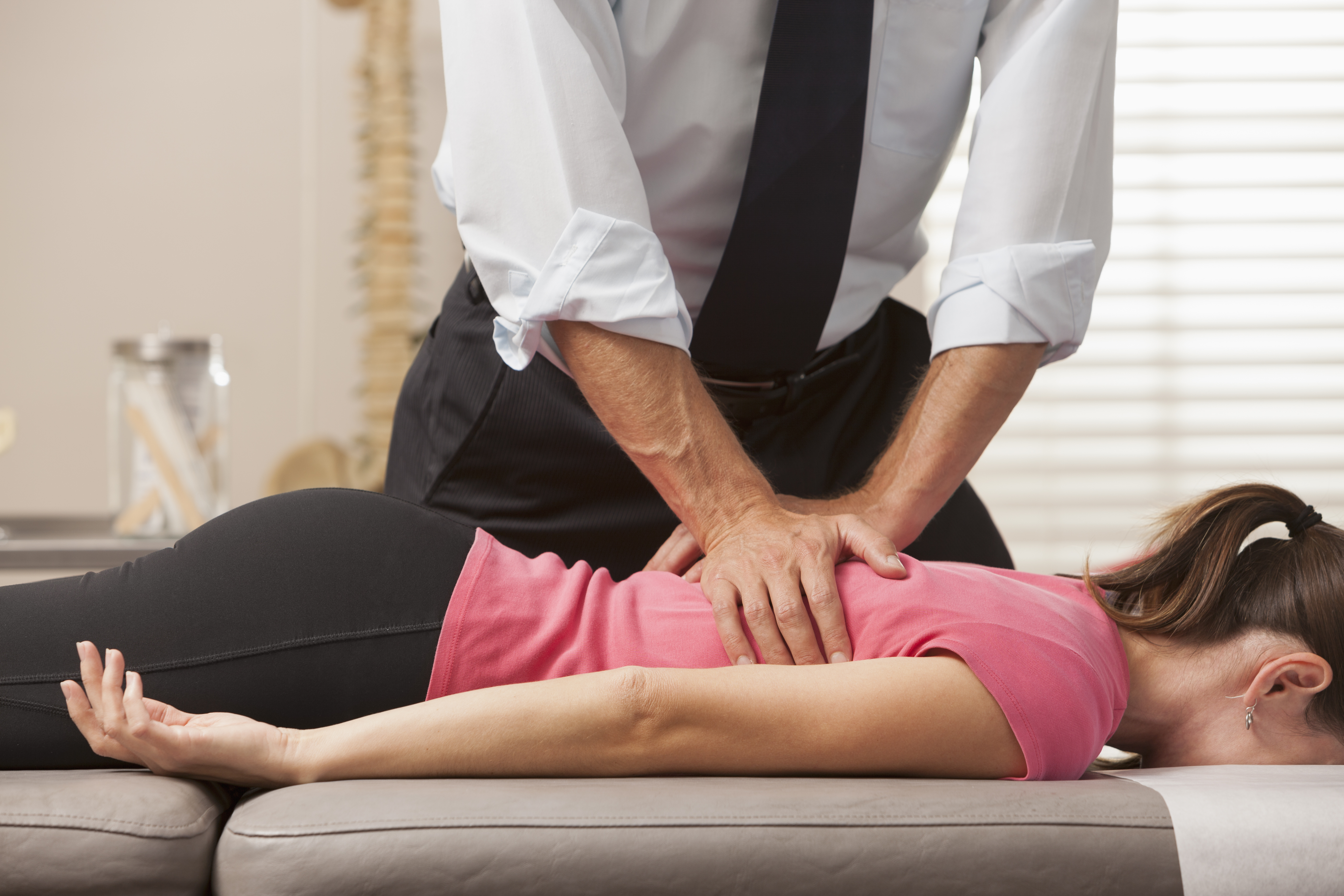
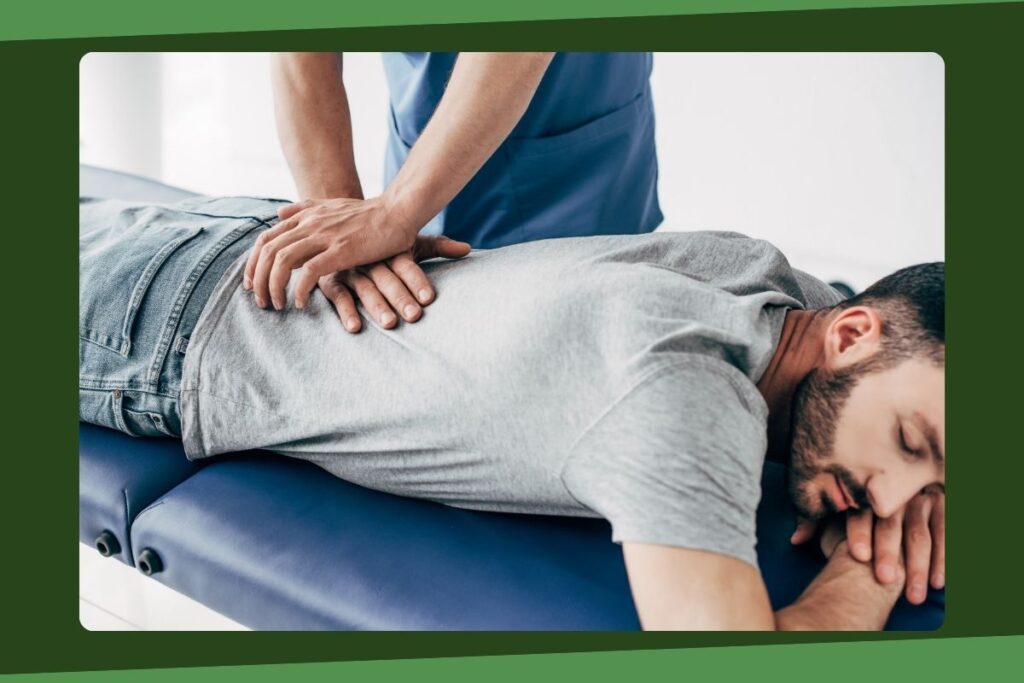
Another technique is hands-on spinal decompression, where experienced experts use hands-on techniques to by hand relieve and change the spine stress. Chiropractic changes additionally work as a type of spinal decompression, employing certain controls to recover proper positioning.
That Can Profit From Spinal Decompression?
That can absolutely take advantage of spinal decompression treatment? This therapy is particularly advantageous for people experiencing persistent pain in the back, herniated discs, sciatica, and degenerative disc condition - Spinal Decompression. People experiencing nerve compression, which can lead to feeling numb or weak point in the arm or legs, might likewise discover alleviation through this non-surgical treatment. In addition, those who have actually not reacted well to traditional discomfort monitoring methods or physical treatment usually transform to spinal decompression as a sensible alternative. People looking for to enhance their general spinal health and enhance movement can benefit from this therapy, as it aims to reduce stress on the vertebrae and spinal discs. It is important, nonetheless, for possible prospects to consult health care experts to identify if spinal decompression appropriates for their particular problems and needs. This tailored strategy assurances that the treatment is applied properly for the very best results and improved quality of life
Tips for Keeping a Healthy Spine
Preserving a healthy spine is crucial for general health, as it supports the body's structure and function. To promote spinal health, individuals should prioritize routine exercise, concentrating on workouts that reinforce core muscular tissues, improve flexibility, and enhance stance. Incorporating tasks such as yoga exercise, swimming, or Pilates can be particularly beneficial.
In addition, preserving a healthy weight decreases undue stress and anxiety on the spine. Ergonomic modifications in the work environment and appropriate lifting techniques can likewise avoid injuries. It is crucial to exercise great position while resting, standing, and sleeping, making sure that the spine keeps its all-natural curvature.
Normal examinations with health care professionals can aid in identifying potential concerns at an early stage. Staying hydrated and consuming a well balanced diet regimen rich in vitamins and minerals supports total spinal health. Eventually, a proactive method to spine treatment can bring about improved mobility and a far better lifestyle.
Frequently Asked Concerns
Exactly how Lengthy Does a Typical Spinal Decompression Session Last?
A common spinal decompression session normally lasts in between 30 to 45 mins. People frequently go through numerous sessions over numerous weeks, depending upon their particular problem and treatment strategy developed by their medical care supplier.
Are There Any Kind Of Adverse Effects of Spinal Decompression Therapy?
Spinal decompression therapy may cause mild side results, such as temporary pain, muscle spasms, or pain. Serious issues are rare, and the majority of people experience alleviation from signs and symptoms after therapy.
Can Spinal Decompression Be Carried Out at Home?
Spinal decompression can be executed in your home using specific devices or techniques, such as inversion tables or stretching exercises. Nevertheless, getting in touch with a medical care expert before trying home treatment is a good idea to assure security and performance.
How Lots Of Sessions Are Usually Needed for Effective Outcomes?
Usually, people require between 15 to 30 sessions of spinal decompression treatment for effective results. The specific number might differ based upon personal problems, therapy objectives, and the intensity of back problems experienced.
What Certifications Should a Practitioner Have for Spinal Decompression?
A specialist for spinal decompression ought to have appropriate qualifications such as a certified chiropractic physician or physical specialist certification, in addition to specialized training in spinal decompression methods to assure effective and secure therapy for individuals.
Spinal decompression refers to a restorative method intended at easing pressure on the spinal discs and surrounding structures. Furthermore, spinal decompression may improve position and spinal positioning, adding to overall bone and joint health. One common approach is spinal decompression therapy, which utilizes a motorized grip table to delicately stretch the spine. Physical treatment workouts are essential in advertising spinal decompression as they enhance core muscles, offering much better assistance for the spine. Individuals looking for to boost their overall spinal health and boost mobility can Chiropractor benefit from this therapy, as it intends to relieve stress on the vertebrae and spinal discs.